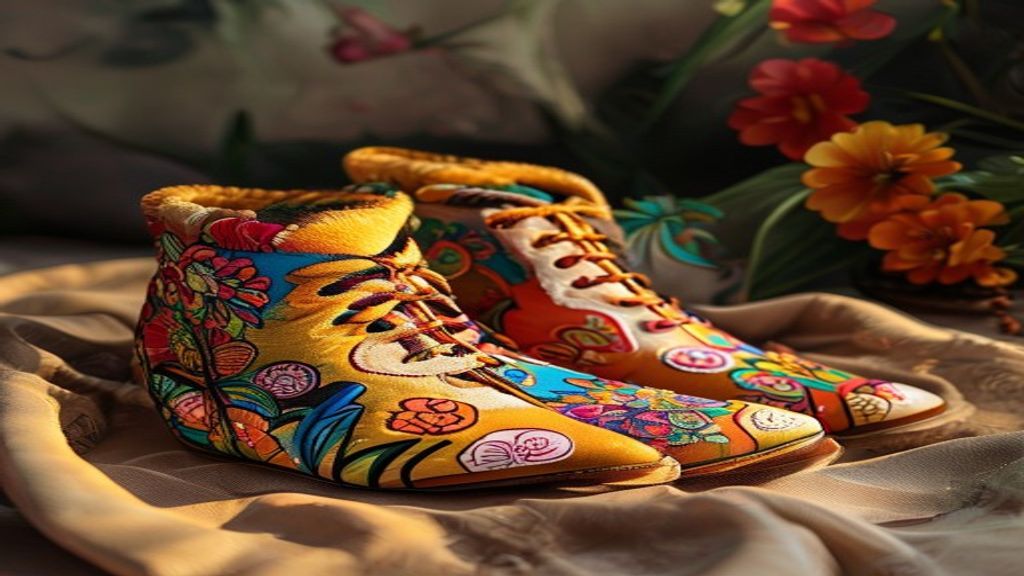
In the villages of northern China, cloth was never thrown away. A worn shirt became a patch. A faded bedsheet became part of a quilt. Leftover fabric from a wedding dress became a blessing sewn into a child's hat.
This tradition of patchwork was born from poverty, but it became an art form full of meaning.
Nothing wasted
Northern winters were long and cold. Families needed thick bedding but could not always afford new cloth. So they saved every scrap. Small pieces were joined into larger squares, then layered with cotton stuffing and quilted together.
The result was practical and beautiful. Bright colors and geometric patterns turned necessity into decoration.
The hundred families quilt
One of the most meaningful patchwork traditions was the hundred families quilt. When a baby was born, the family asked neighbors and relatives for small pieces of cloth. These were sewn together into a single quilt.
The idea was that the child would be protected by the collective goodwill of the community. Each patch carried a piece of a neighbor's blessing.
Tiger hats
Along with tiger shoes, northern families made tiger hats for babies and young children. The hat was shaped like a tiger's head, with embroidered eyes, ears, and whiskers. Sometimes a small bell was sewn inside so the hat made a gentle sound when the child moved.
Like the shoes, the hat was meant to frighten away evil spirits and keep the child safe.
Living tradition
Today, machine-made clothing has reduced the need for patchwork, but the tradition survives in craft markets and museums. Some families still make tiger shoes and hats for new babies. The old cloth may be gone, but the wishes stitched into it remain.