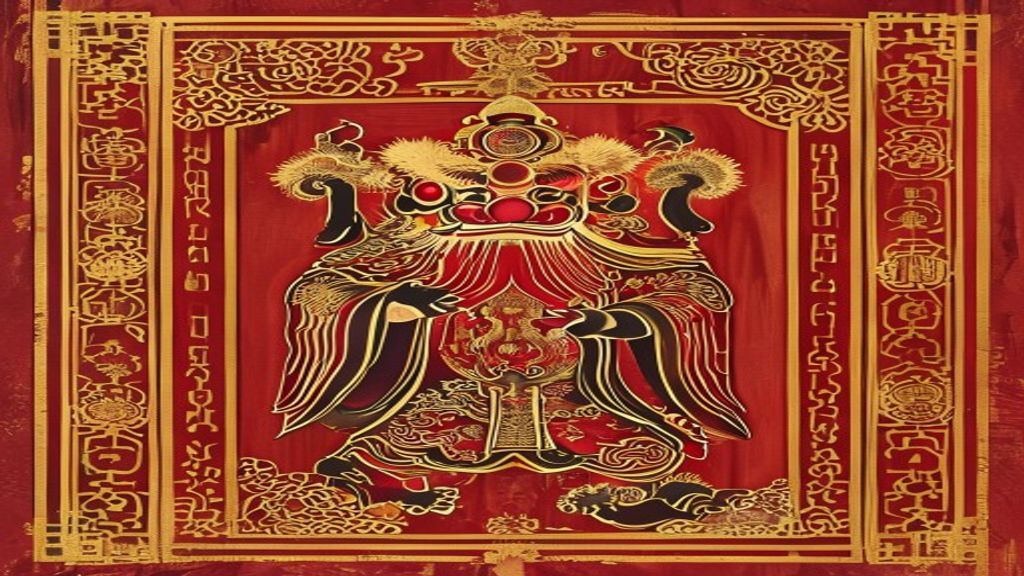
A traditional New Year print begins with a block of wood and a sharp knife. The craft combines drawing, carving, and printing into one careful process that has changed little over the centuries.
Preparing the block
Craftsmen choose a dense, fine-grained wood such as pear or jujube. The surface is planed flat and smooth. Then the design is drawn onto the wood in reverse, so it will print correctly.
Carving the design
Using small chisels and knives, the carver cuts away everything that should not print. The raised lines that remain will hold the ink. This step requires patience and skill. A single wrong cut can ruin hours of work.
For prints with many colors, a separate block is carved for each color. The blocks must line up perfectly when printed one after another.
Printing the image
Ink is spread evenly across the carved block using a soft brush or roller. A sheet of paper is placed on top and pressed down firmly with a flat tool called a baren. When the paper is lifted, the design has transferred.
In busy workshops, printers could produce hundreds of impressions in a day.
Adding color
The simplest prints were sold in black and white. More valuable prints were colored by hand. Apprentices sat in rows, each adding one color to hundreds of prints. The result was bright, lively, and affordable enough for ordinary families.
Today, only a few master craftspeople still make New Year prints this way. But the old blocks and prints remain a record of folk imagination at its best.