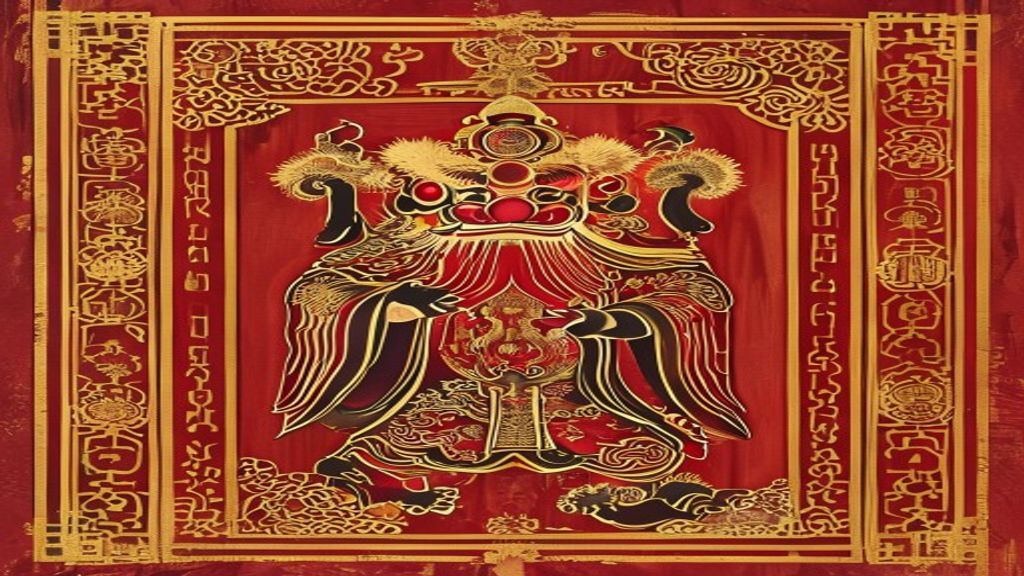
Of all the protective figures in Chinese folk art, none is stranger than Zhong Kui. He is ugly, bearded, fierce, and often shown wearing the hat of a scholar while grabbing demons by the throat. Yet families have pasted his image on their doors for more than a thousand years.
The scholar who failed
According to legend, Zhong Kui lived during the Tang dynasty. He was a brilliant scholar who traveled to the capital to take the imperial exams. He passed with the highest score, but the emperor rejected him because of his ugly appearance.
Heartbroken and angry, Zhong Kui killed himself at the palace gate. Moved by his talent, the emperor gave him an honorable burial.
A demon hunter is born
Later, the emperor fell ill and dreamed that a small demon was stealing from the palace. Suddenly, a large man appeared, caught the demon, and ate it. The man introduced himself as Zhong Kui, the rejected scholar. He promised to protect the emperor from all evil spirits.
When the emperor woke up, he recovered from his illness. He ordered court painters to make images of Zhong Kui, and the custom spread across China.
Zhong Kui in prints
New Year prints of Zhong Kui show him as a powerful, almost comical figure. He usually carries a sword and grabs demons by the neck. His fierce face is meant to frighten evil away before it can enter the house.
He is often paired with five bats, representing the five blessings. The image means: "May blessings arrive and demons depart."
Why he remains popular
Zhong Kui's story speaks to anyone who has been judged by appearance rather than ability. His image is not just a demon repellent. It is also a reminder that talent and justice matter more than looks.